Most photographers practice. Few practice deliberately.
I spent my first months in the field doing what most photographers do — accumulating hours and hoping more time would eventually mean better images. It wasn’t until I changed how I practised, not how much, that things started to shift. That’s what this page is about.
How deliberate practice changes things
For the first several months, I went out as often as I could and came home with hundreds of images. I watched the tutorials, read the articles, understood — in theory — what made a good photograph. But something wasn’t connecting. I’d look at my images afterwards and know they weren’t quite right, without being able to say exactly why, or what to do differently next time.
The shift came when I applied something I already knew from my background in behavioural economics, but hadn’t thought to bring to my photography: that more practice doesn’t automatically mean better practice. What changed things wasn’t more hours in the field — it was what I was doing with them. Being genuinely curious about my images rather than just accumulating them. Being honest with myself about what wasn’t working. Asking a lot of questions afterwards: what had I been trying to capture? What had I missed? What would I do differently next time?
Over time, the conscious thinking became instinct. Now, when I’m in the field, my brain goes quiet. The questions come later — when I’m back at my desk, working through what I brought home. I note what I’d do differently, and the next time I go out, I practise that specific thing. That’s where the real progress happens.
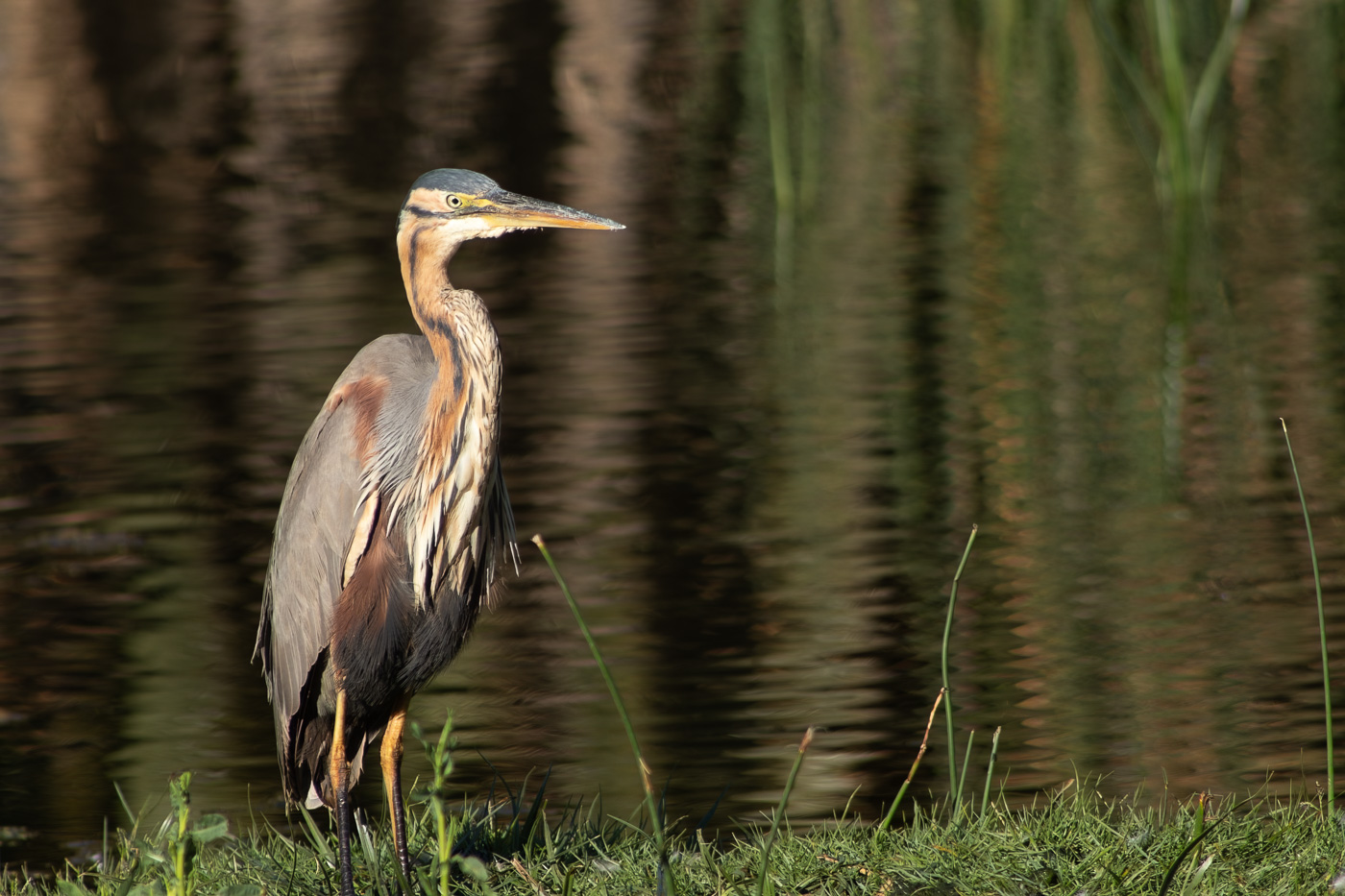
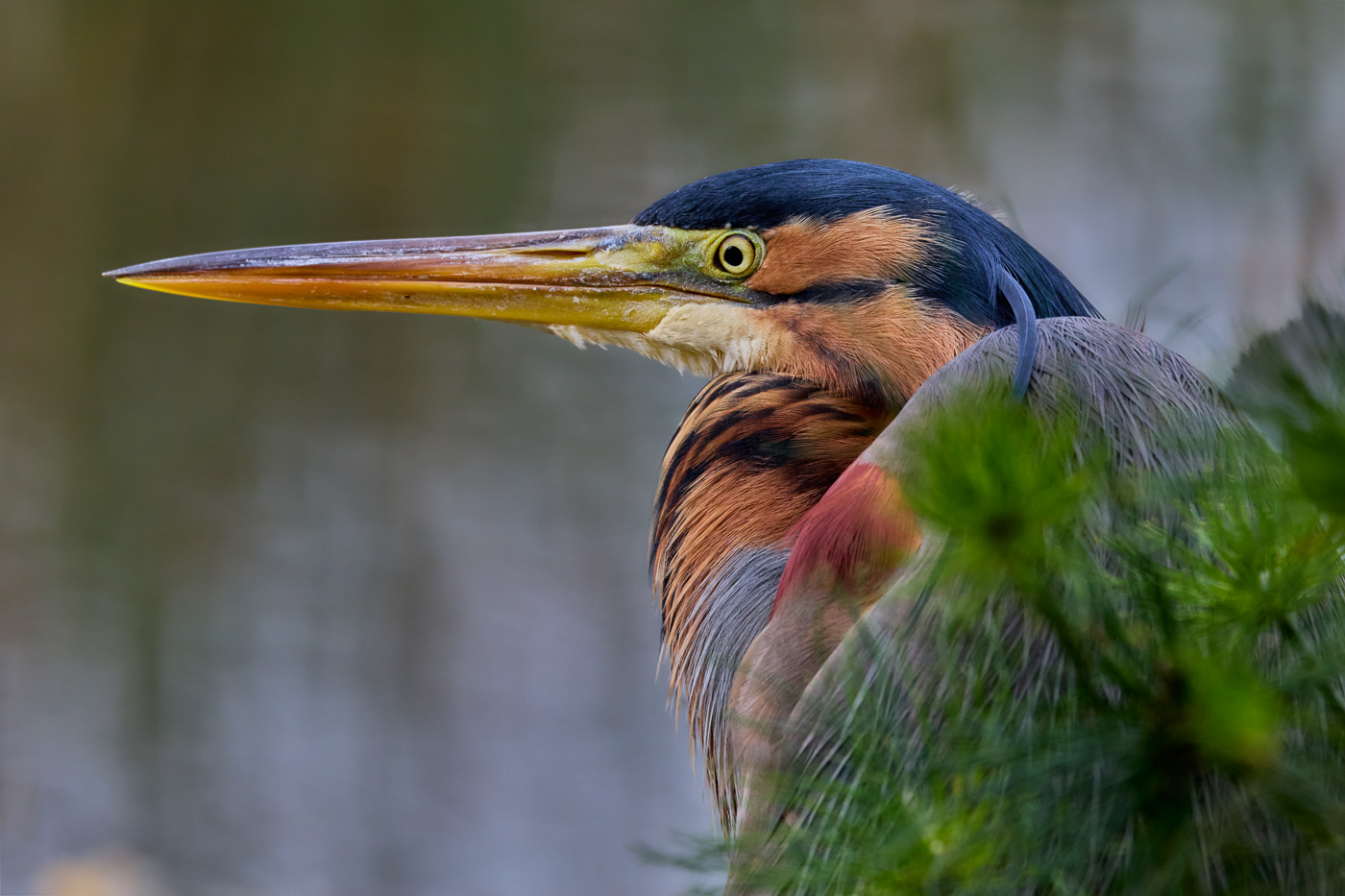
Same subject. Same photographer. Six months of deliberate practice.
The reason I coach this way — through questions, through image review, through specific next steps — is because this is what worked. The feedback loop is something you can learn to run yourself. But having someone who knows what to look for in your images, and what to ask about them, can accelerate what might otherwise take years.
What a session looks like
Every session is different — because every person arrives with different questions. But the shape is consistent.
Before
Once you’ve booked, you’ll receive a short form to fill in a day or two ahead of your session. It asks what you’ve been working on, what isn’t clicking, and invites you to submit two or three images for review. There’s no preparation required beyond that — just a few minutes of honest reflection on what you actually want to work on.
During
The session runs for 90 minutes via video call. It’s a conversation, not a class. I ask more questions than I give answers, because the goal isn’t for you to leave with a list of things I told you to do — it’s for you to leave with your own thinking clarified. We’ll work through what you’ve brought, then share screens to go through your images together: what was happening in the field, what could have been different, and what to try next time.
After
You won’t get a recording. You’ll get a short written summary of what we covered, including the specific next steps you identified for yourself. That’s enough to refer back to — and more useful than a video you won’t watch twice.
You’ll leave knowing exactly what to practise next, and why.
Two ways to work together
R750
One-on-one, 90 minutes, online. After booking you’ll receive a short form to fill in before your session — that’s all the preparation needed. Good for working through a specific problem, reviewing a set of images, or getting an honest read on where you are and what to focus on next.
R3000
Five sessions at the price of four — a saving of R750. For photographers who want to work through something over time and build on what’s covered between sessions. Use them flexibly, at a pace that works for you.
Interested in something more immersive — a workshop or in-person session? Get in touch
A few things worth knowing
If you have a question that isn’t answered here, please get in touch!